

Maine Holds at 64¢ Dem — Why the Market Is More Bullish Than the Toss-Up Ratings
Every forecaster calls Maine a toss-up. The market has Jackson at 64¢. Collins's -18 net favorability, independents, and the Senate control stakes explain the gap.
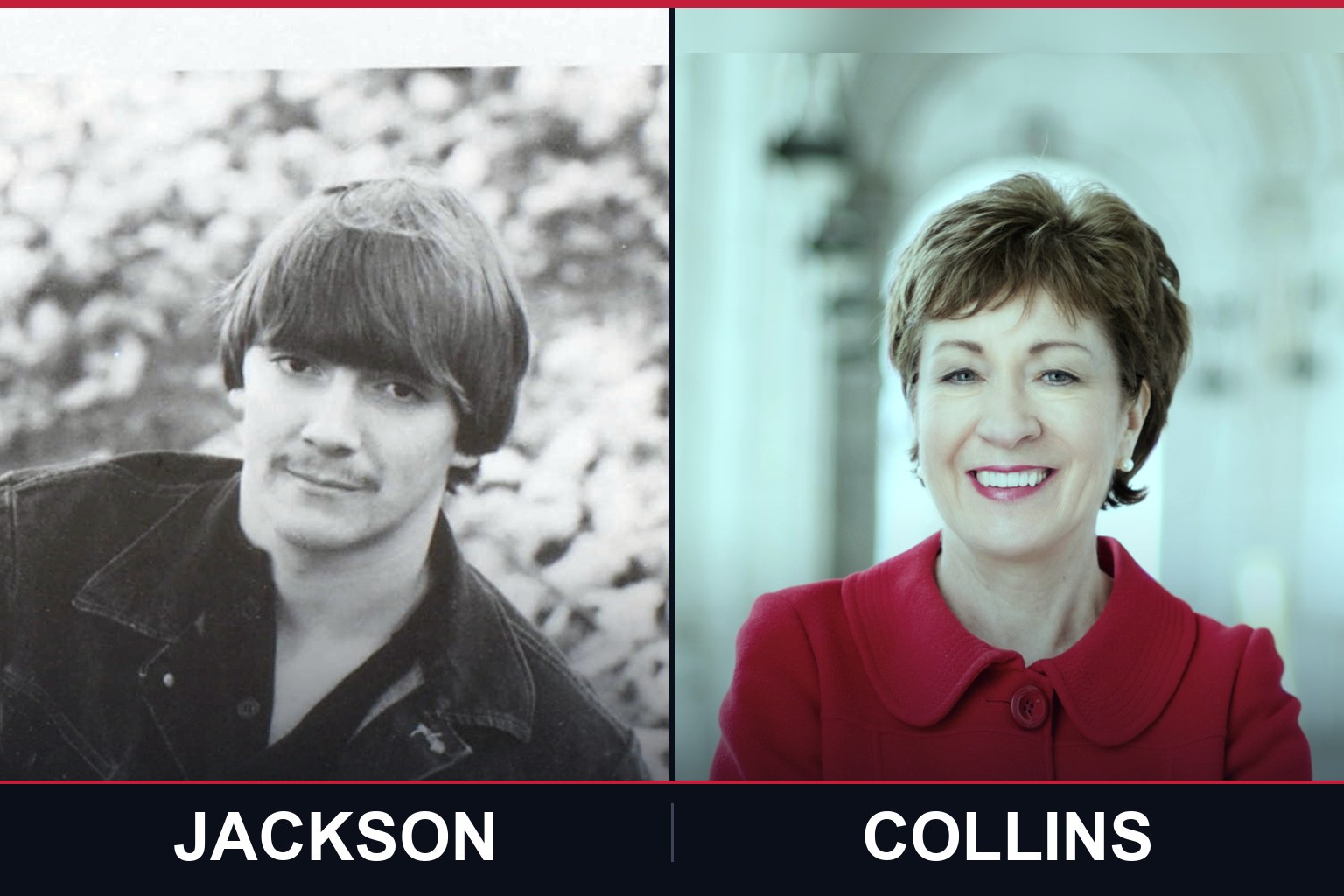
The Maine Senate race sits at 64¢ for a Democratic win — 20 points stronger than the overall Democratic Senate control market at 44¢. In a Senate map where Democrats trail on aggregate, Maine is the race where the market is most confident they can flip a Republican-held seat.
Every major independent forecaster sees it differently. The Cook Political Report, Fox News Power Rankings, and Decision Desk HQ all rate Maine as a toss-up. Decision Desk HQ assigned Republicans a 53% chance of holding the seat at the time of their most recent rating, per The Hill. The market, at 64¢ for Troy Jackson over five-term incumbent Susan Collins, is pricing a lean-Dem outcome — not a dead heat.
The gap between the toss-up consensus and the 64¢ market price is worth unpacking.
Collins's Favorability Is Underwater
The University of New Hampshire Pine Tree State Poll — conducted July 15-20, surveying 1,236 Maine residents, with a margin of error of ±2.8% — found Collins at 35% favorable and 53% unfavorable, a net favorability of -18. For a senator seeking a sixth term in her home state, that is a politically significant number.
The same poll found Jackson at 37% favorable and 32% unfavorable — a net of +5, with 15% saying they didn't yet know enough about him to form an opinion, per the UNH Survey Center's published results.
A Senate incumbent with a -18 net favorability is not in a structural position of strength. The toss-up rating captures competitive uncertainty. The market's 64¢ appears to be weighting the favorability asymmetry more heavily.
Independents Break Jackson's Way
Maine general elections are decided by independent voters, and Jackson leads among them. The UNH poll found Jackson at 46% among independents to Collins's 42% — a 4-point edge, per Bangor Daily News coverage of the survey.
This is significant context because Collins's 2020 re-election victory over Democrat Sara Gideon — which she won by nearly nine points despite trailing in polls for much of the campaign — was built precisely on overperforming with independents and crossover Democrats. Exit polls from that race showed independents who voted for Biden by 24 points still voted for Collins by 3 points, per NBC News reporting.
The market appears to be pricing that the 2026 environment — a midterm year with a Republican president's approval ratings under pressure and Collins's own favorability at a career low — does not replicate the conditions that produced 2020's result.
The Nomination Was Clean
Jackson secured the Democratic nomination without a contested vote. After Graham Platner withdrew in mid-July amid sexual misconduct allegations, his main rivals — former Secretary of State Shenna Bellows and former CDC Director Nirav Shah — dropped out before the convention. Jackson was formally nominated at the Maine Democratic Party convention in Bangor on July 25, per NBC News, after sweeping the delegate majority across the state's 16 counties.
He enters the general election with full party consolidation, no primary wounds, and roughly 100 days until November. The UNH poll found 51% of recent Democratic primary voters wanting Jackson as the nominee — indicating unified base support going into the fall.
The Structural Headwind: Money
The strongest counterargument to the 64¢ price is Collins's financial advantage. Her campaign reported $11 million in cash on hand as of June 30, per NBC News. Jackson launched his Senate run on July 8 and raised over $600,000 in the first 72 hours, surpassing $1 million total — strong grassroots numbers, but a fraction of Collins's reserves.
Senate races of this profile attract massive national investment from party committees and independent groups on both sides. The fundraising gap will narrow through that external money, but how quickly determines Jackson's ability to build campaign infrastructure across a geographically large state.
Collins's broader strength rating on federal spending — 53% of Mainers rated her good or very good at bringing federal dollars to the state, per UNH — is another structural asset that Jackson will need to counter with a policy-contrast message.
Maine in the Senate Control Picture
At 44¢ for Democrats overall, the Senate control market is saying Maine alone isn't enough. Democrats need to flip Maine and several other Republican-held seats — Texas, Iowa, Alaska, Ohio — while holding every current Democratic seat. Fox News Power Rankings lists all four as toss-ups alongside Maine.
Maine at 64¢ is the highest single-race Democratic confidence on the map. The question the balance-of-power market is asking — at 45¢ for a full Democratic Congress — is whether the rest of the map follows Maine's trajectory or holds for Republicans.
Tuesday's Michigan primary results, and the first general-election polling that follows, will be the next major Senate-map signal.
Sources: NBC News, "Maine Senate race: Democrats nominate Troy Jackson to challenge Collins," July 26, 2026 (https://www.nbcnews.com/politics/2026-election/maine-senate-race-democrats-poised-nominate-troy-jackson-challenge-sus-rcna588711); UNH Survey Center, "Maine Democratic Primary Voters Want Jackson as Senate Nominee, in Close Race With Collins in General," July 21, 2026 (https://scholars.unh.edu/survey_center_polls/981/); Bangor Daily News, "Poll: Troy Jackson in tight race with Susan Collins," July 21, 2026 (https://www.bangordailynews.com/2026/07/21/politics/elections/poll-troy-jackson-vis-susan-collins/); The Hill, "Jackson leading Collins in Maine Senate race survey," July 22, 2026 (https://thehill.com/homenews/5983301-jackson-leads-collins-poll/); Fox News, "Susan Collins faces Troy Jackson in toss-up 2026 Maine Senate race," July 22, 2026 (https://www.foxnews.com/politics/democrats-shake-up-collins-faces-toss-up-platner-replacement-must-win-senate-race).