

Markey Drops 4 Points Without Warning — Massachusetts Primary Tightens Before August Debate
Markey falls 4¢ to 71¢ on Friday with no clear catalyst. With 23% undecided and an August 20 debate ahead, Massachusetts is tightening.
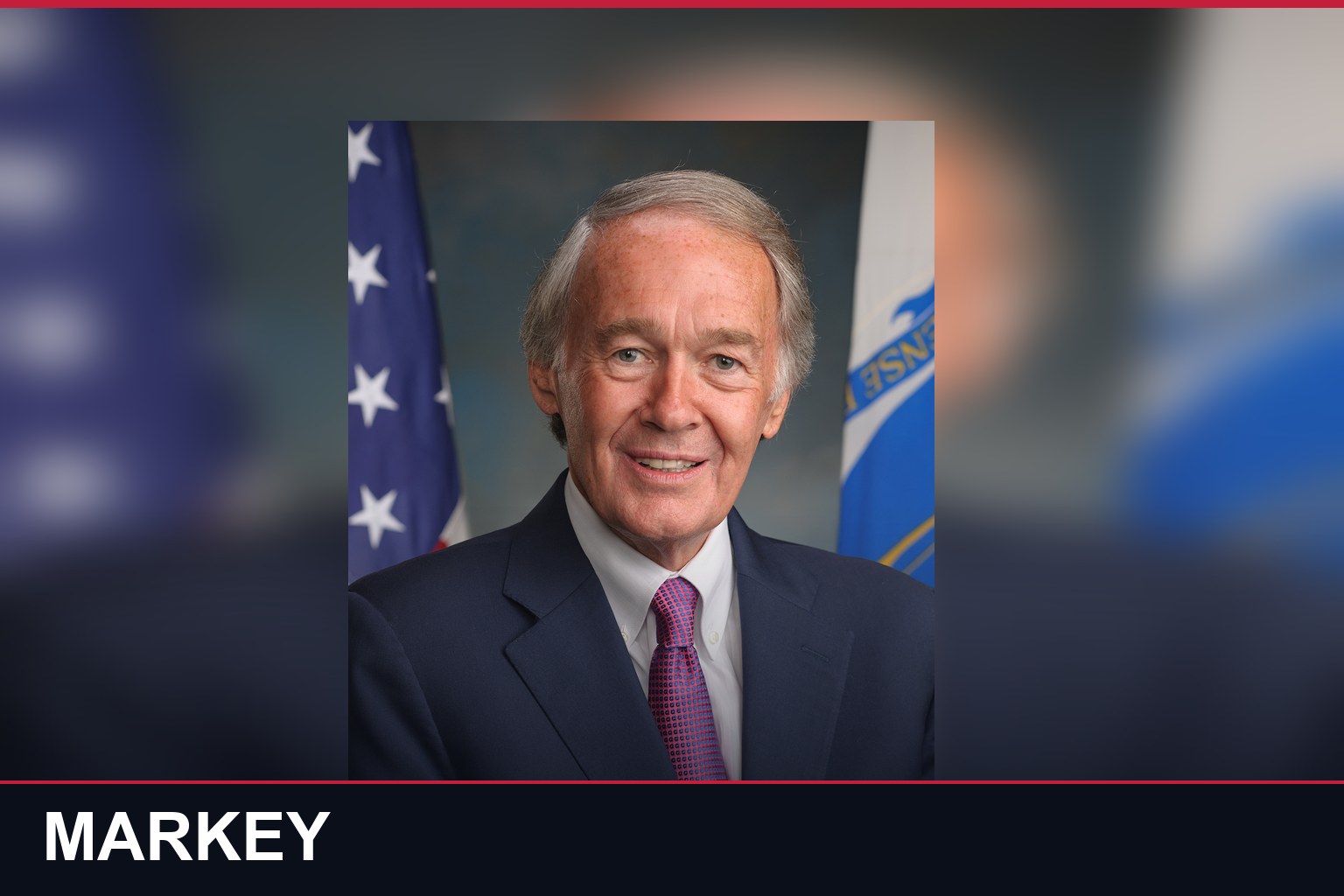
Ed Markey's lead in the Massachusetts Democratic Senate primary contracted on Friday without a clear catalyst. The senator dropped 4 cents to 71 cents on our cross-platform consensus (PredictIt, Polymarket, and Kalshi, $301,835 in combined volume). His challenger, Rep. Seth Moulton, moved from 25 cents to 28 cents.
With the primary on September 1 and the next scheduled debate on August 20, the race enters its final stretch with the market at its lowest point for Markey in recent tracking.
No Clear Catalyst
No new poll was published on Friday. No major campaign news broke. Moulton's first television advertising buy, which launched earlier this week, was already public when Markey held at 75 cents through the morning — suggesting the TV spend alone doesn't fully explain the afternoon move.
In thin markets — Massachusetts has $301,835 in total volume — directional shifts without obvious news catalysts sometimes precede information that hasn't circulated widely yet. That's not a guarantee, but it's a pattern experienced traders watch in low-liquidity races.
The Race Behind the Market
Markey holds structural advantages that 71 cents doesn't erase. He carries endorsements from Sens. Bernie Sanders and Elizabeth Warren — two of the most influential figures in Massachusetts Democratic politics — along with the state party's formal endorsement. Markey won the May state party convention 72.94 percent to 27.06 percent, per MassLive. His 50-year congressional record, including co-authorship of landmark climate legislation, anchors his progressive credibility in a deeply liberal primary electorate.
But the race hasn't played out cleanly. A University of New Hampshire Survey Center poll (June 18–23) found Markey leading Moulton 41 percent to 35 percent among likely Democratic primary voters, with 23 percent still undecided — a pool large enough to reshape the outcome. Vox's profile of the race (July 29) noted that the most recent public surveys showed Markey leading by just 5 to 6 points, and that "there were many undecided voters."
The generational tension at the center of the contest is real. Moulton, 47, has made Markey's age — the senator is 80 — a central argument of his campaign. "If Democrats win the Senate, it will almost certainly be by one vote, and we can't afford to lose that vote due to a medical absence or emergency," Moulton told CNN in July. Markey's counter: "It's not your age; it's the age of your ideas. And in this race, I'm the youngest guy."
The CNN framing captured what makes this primary unusual: the progressive establishment — Sanders, Warren, Rep. Ayanna Pressley — is defending the 80-year-old incumbent against a challenger who has moved leftward on issues like abolishing ICE to try to close the ideological gap.
Moulton's Closing Window
The challenger's best remaining opportunity before September 1 is the August 20 debate, hosted by WBUR, WGBH, and the Boston Globe. That debate is the last major scheduled event before the primary and the moment when late-deciding voters in a race with 23 percent undecideds are likeliest to form final impressions.
Moulton's television buy, now running statewide, makes the generational case directly. His campaign has worked to consolidate support among Democratic voters frustrated with congressional leadership — a lane that exists but remains narrow in a state where the progressive establishment is fully activated for Markey.
What the Market Is Watching
A 4-cent move in a thin market is a data point, not a verdict. If Markey's price stabilizes back toward 73–75 cents before August 20, today's slip reads as noise. If it continues drifting lower — particularly if a new poll narrows the margin further — the market will have called the tightening before the headlines did.
The August 20 debate is 20 days away. In a race this close, with this many undecided voters still in play, 20 days is a long time.
Sources: University of New Hampshire Survey Center (June 18–23, 2026); Vox (July 29, 2026); CNN (July 26, 2026); MassLive (May 30, 2026)