

100 Days Out, the Market Is Pricing a Split Congress—With a Democratic Sweep Close Behind
At 100 days out: Democrats are 85¢ on the House, 44¢ on the Senate. The Balance of Power market puts a Democratic sweep nearly even with split Congress.
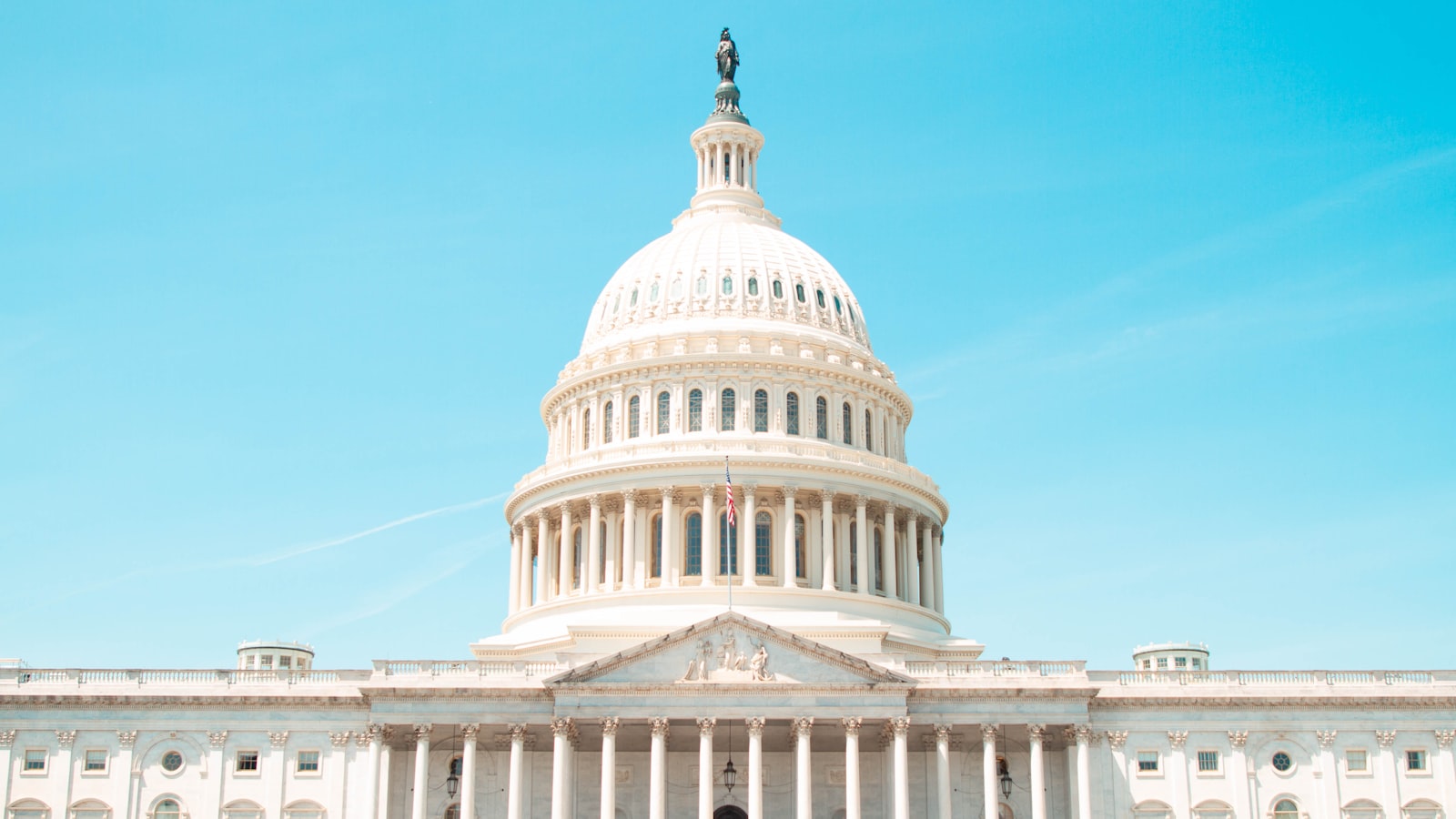
With exactly 100 days remaining until Election Day, more than $54 million in combined prediction market volume has settled on a thesis for 2026: the House flips Democratic, the Senate stays Republican, and Washington remains divided. But the details buried inside the Balance of Power market complicate that clean narrative considerably.
The House: Democrats Are Heavy Favorites
The House control market has Democrats at 85¢ to take the lower chamber in November, with Republicans holding at just 16¢. Nearly $27.8 million in volume backs that conviction across Kalshi, Polymarket, and PredictIt.
That 85¢ reflects the structural reality of midterm elections: the president's party has historically lost House seats, and Republicans hold their current 220-215 majority on razor-thin margins. Decision Desk HQ's latest model, reported by The Hill on Sunday, projects Democrats winning a 225-210 House advantage—and gives them a 60 percent probability of doing so. Real-money markets have priced Democratic House control considerably more confidently than even the structural forecasting model. The 85¢ implies roughly a 5-in-6 probability. The gap between market conviction and DDHQ's model is worth watching: something—momentum data, fundraising signals, specific district dynamics—is pushing traders well past what the model alone would support.
The Senate: Republicans Hold the Tighter Edge
The Senate picture runs in the opposite direction. Republicans hold a 56¢ edge on Senate control, with Democrats at 44¢ and $9.5 million in volume behind the market.
The math explains the lean. Democrats currently hold a 47-53 minority and need a net gain of four seats to reach a majority—because Vice President JD Vance would break any 50-50 tie in Republicans' favor, as NPR detailed in its Senate overview published this morning. That requires winning in Alaska, Maine, North Carolina, and Ohio while also defending Michigan, a Democratic open seat that Cook Political Report rates as a toss-up.
DDHQ's July 26 analysis, per The Hill, projects Republicans retaining the chamber at 60 percent probability—closely matching the 56¢ market. The market is roughly pricing what the model predicts: a competitive Senate that Republicans are modestly favored to keep.
The Balance of Power: Where the Real Story Lives
The most revealing market in this cycle isn't the individual chamber bets—it's the Balance of Power contract, which prices specific combinations.
The current pricing across $17.3 million in Kalshi and Polymarket volume:
- Democrats win both chambers: 44¢
- Republicans keep Senate, Democrats win House: 40¢
- Republicans keep both chambers: 14¢
- Other outcomes: ~3¢ combined
The headline interpretation—split Congress as the base case—misses what the numbers are actually saying. Democratic full control and split government are essentially in a dead heat at 44¢ and 40¢. That's the market saying: if Democrats are winning big, they win both; if the wave falls short, they take the House but not the Senate.
Full Republican retention at 14¢ reflects a scenario where Democrats underperform significantly in the House, too—not just fail to flip the Senate.
Why the Outcomes Are Linked
DDHQ's Geoffrey Skelley explained the correlation logic to The Hill on Sunday: if Democrats are running up the score in competitive House districts, they are almost certainly doing so in the same geographic terrain that Senate battlegrounds occupy. A Democratic environment strong enough to flip the Senate is an environment where House gains are even larger. The outcomes aren't independent bets.
That's why the Balance of Power market's 44/40 split between the two most likely outcomes is the most honest assessment of where the cycle stands: approximately even odds between a true Democratic sweep and a split that gives Democrats legislative power without Senate confirmation authority.
The Michigan Variable
Every Senate map converges on Michigan. Decision Desk HQ has concluded that a Republican win in the open Michigan seat—currently the subject of a Democratic primary between Rep. Haley Stevens and Dr. Abdul El-Sayed—would push Republican Senate retention odds to 86 percent, per The Hill's July 26 report. That single race could effectively resolve the Senate question months before November.
Aug. 4 is the Michigan Democratic primary. The nominee goes directly into a November general election against former Republican Rep. Mike Rogers. Whoever emerges from that primary will do more to set the terminal Senate probability than almost any other single event between now and Election Day.
For now, at 100 days out, the market's clearest message is this: neither party has the cycle locked up, and the distance between a divided government and a Democratic trifecta is just four cents.
Sources: The Hill, "Democrats favored to win House, underdogs in Senate 100 days out" (thehill.com, July 26, 2026); The Hill, "DDHQ forecasts Democratic House, 50-50 Senate in November" (thehill.com, July 15, 2026); NPR, "Here are the races to watch for U.S. Senate in the midterms" (npr.org, July 27, 2026); CNBC, "100 days until midterm election: DCCC Chair DelBene says Democrats have the momentum" (cnbc.com, July 26, 2026). Market prices: Kalshi/Polymarket/PredictIt cross-platform consensus, July 27, 2026.